The Power of Self-Care in Navigating Major Depressive Disorder

Dealing with Major Depressive Disorder (MDD) is an all-encompassing challenge, touching every aspect of life, from daily routines to our closest relationships. Those of us navigating this experience often find ourselves in a cycle of exhaustion, stress, and emotional depletion. While no single approach fully "solves" MDD, one essential factor can help us build resilience along the way: self-care.
What Self-Care Means in the Context of MDD
For those with MDD, self-care goes beyond the typical "treat yourself" mentality. It’s about cultivating routines, habits, and small rituals that provide comfort, structure, and purpose. Self-care in this context becomes a means of preserving the energy needed to keep moving forward, even when everything feels heavy.
Why Self-Care Is Essential in Managing MDD
1. Physical and Mental Health
Self-care helps address both the mental and physical aspects of MDD. Small, consistent actions like getting enough sleep, maintaining a balanced diet, and gentle exercise can support a more stable mood. Studies have shown that physical health and mental well-being are interconnected. When we tend to our body’s needs, it can positively impact our mental state, giving us a more solid foundation to face daily challenges.
2. Building a Routine
MDD often disrupts our sense of stability, but a simple routine provides a sense of normalcy and order. Routines don’t need to be complicated; they can involve setting aside time each day for small activities like journaling, preparing a healthy meal, or spending time outside. These practices may seem trivial, but the consistency can ground us in moments of chaos.
3. Reducing Feelings of Isolation
Depression has a way of making us feel isolated. Self-care doesn’t have to be a solo activity—it can include connecting with loved ones, engaging in hobbies, or even joining a support group. These moments of connection remind us that we’re not alone, helping to combat the isolation that depression often brings.
Types of Self-Care to Consider
1. Physical Self-Care
Regular physical activity, even just a walk around the neighborhood, can be tremendously beneficial. Exercise has been shown to release endorphins, improve sleep quality, and reduce symptoms of anxiety and depression. Nourishing our bodies with balanced meals and staying hydrated are also foundational steps that can positively impact mental health.
2. Emotional Self-Care
Emotional self-care means acknowledging our emotions without judgment. Practices like journaling, speaking to a therapist, or even engaging in creative activities can serve as outlets to process emotions constructively.
3. Mindfulness and Relaxation
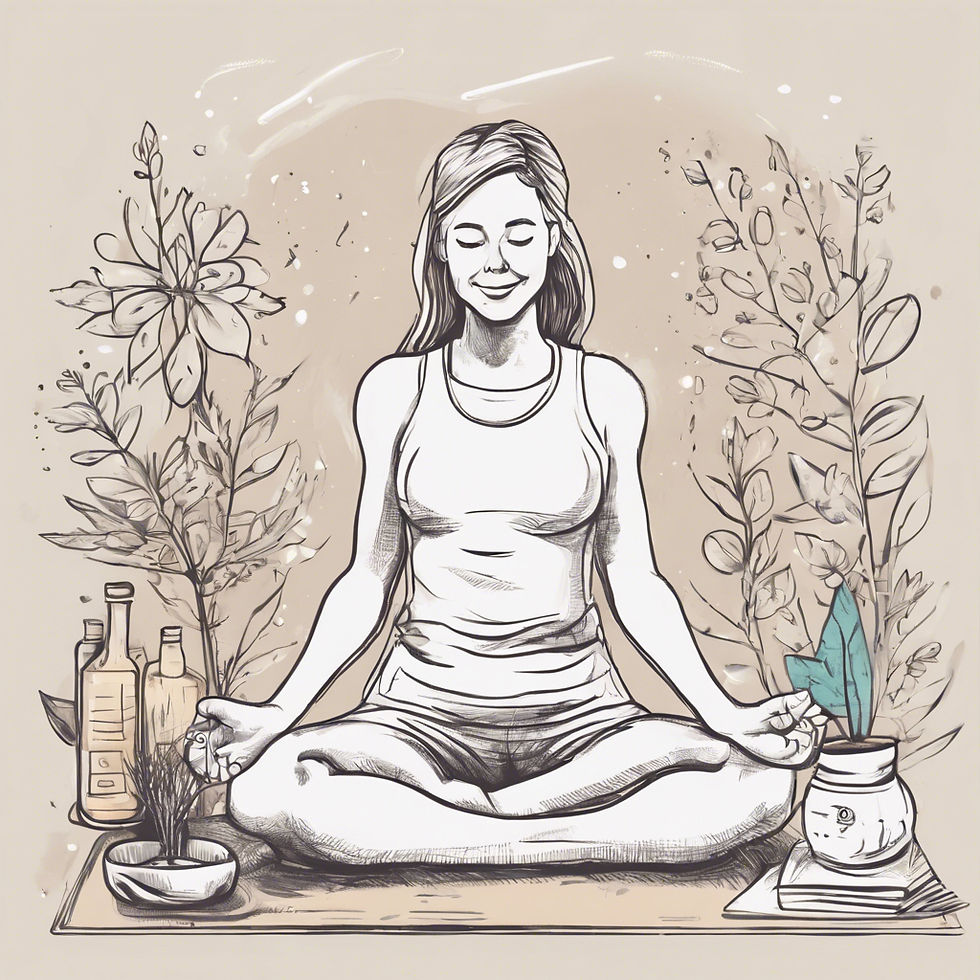
Techniques like deep breathing, meditation, or yoga can help us manage stress and ground ourselves. For people with MDD, incorporating even a few minutes of mindfulness each day can create a calmer, more centered outlook.
Giving Yourself Grace
Self-care is not about instant fixes or drastic changes. When dealing with MDD, even the smallest acts of self-compassion make a difference. And it’s important to remember that on challenging days, doing what you can—no matter how small—is enough.
Final Thoughts
Self-care may seem secondary to the pressing issues of MDD, but it is essential for creating resilience. When we make time for self-care, we’re sending ourselves a powerful message: that we matter, that healing is possible, and that we’re worthy of support—both from ourselves and others.
In practicing self-care, we’re not only supporting our own mental health but also breaking down the stigma that often surrounds depression and mental illness. And in that, we are part of a larger, transformative journey toward understanding and compassion—for ourselves and everyone affected by MDD.


Comments